HVAC Services
Systems That Cool Without Running Constantly
HVAC Services in Bullard for units blowing warm air, frozen coils, and inefficient operation
Air conditioning units that run continuously without cooling the home often have failed capacitors, low refrigerant levels, or blocked condensate drain lines. The service includes AC troubleshooting and component replacement, furnace ignition and blower motor repair, heat pump optimization, seasonal system inspections, condensate drain clearing, and smart thermostat installation. Forged Plumbing and Air diagnoses HVAC failures by testing electrical components, measuring refrigerant pressures, inspecting airflow at vents, and identifying mechanical wear that reduces system efficiency.
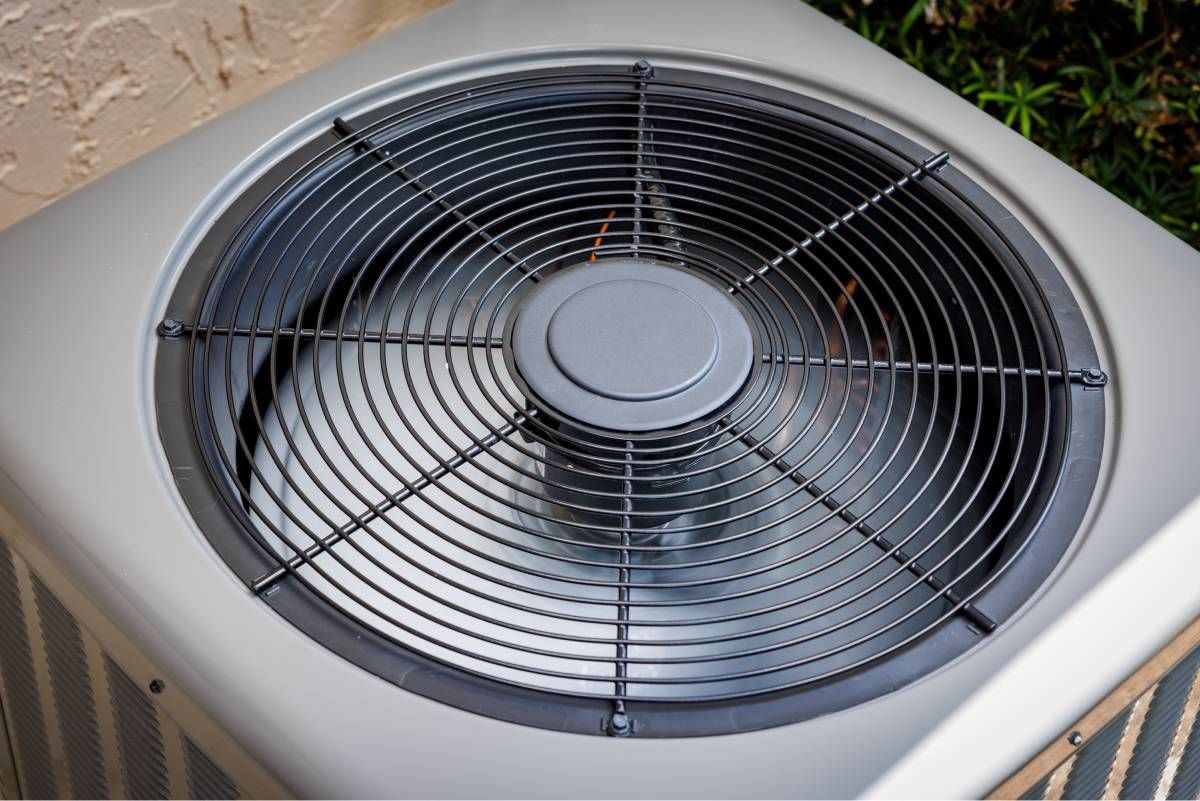
HVAC work involves testing capacitors with multimeters to confirm they hold proper charge, inspecting contactor points for pitting and wear, checking blower motor bearings for noise and binding, and clearing clogged evaporator coils that restrict airflow. Refrigerant leaks are located by pressurizing lines with nitrogen and applying leak detection solution to joints and valve cores. Bullard's humidity accelerates corrosion on outdoor unit components, particularly where dissimilar metals contact each other without dielectric fittings.
Schedule a system inspection before peak summer heat to identify worn components before they fail during high-demand periods.
What Changes After HVAC Repairs Complete
Repairs begin with multi-point inspection to determine whether poor performance results from failed components, inadequate maintenance, or undersized equipment. Capacitors are tested for microfarad rating and replaced when readings fall outside tolerance range. Blower motors are inspected for proper amp draw, and bearings are checked for play or resistance. Evaporator coils are cleaned using coil cleaner and low-pressure water to remove dust and biological growth that blocks airflow and reduces heat transfer efficiency.
After HVAC service, air conditioning units cycle on and off normally instead of running continuously, supply vents deliver cold air at consistent temperature, humidity levels inside the home decrease noticeably, and monthly energy consumption drops because the system reaches setpoint temperature efficiently. Furnaces ignite reliably without repeated attempts, blower motors operate quietly without squealing or grinding, and heat pumps switch between heating and cooling modes without requiring manual reset.
System performance depends on proper refrigerant charge, clean coils, unobstructed airflow, and correctly calibrated thermostats. Adding refrigerant without repairing the leak that caused low charge produces temporary improvement but doesn't address the underlying failure. Ductwork leaks in attics or crawl spaces waste conditioned air and force systems to run longer to maintain temperature. Thermostat placement in direct sunlight or near heat sources causes inaccurate temperature readings and erratic system cycling.

Answers to Frequent Service Questions
Homeowners often ask what specific failures cause common HVAC symptoms and what maintenance prevents costly breakdowns.
What does it mean when an AC unit blows warm air but the compressor runs?
The system is low on refrigerant due to a leak, or the reversing valve has failed in a heat pump system. Warm air indicates the refrigerant isn't absorbing heat from indoor air effectively. Repairs require locating and sealing the leak, then recharging the system to manufacturer specifications.
How often should HVAC systems be inspected in Bullard?
Before each cooling season and heating season—typically late spring and mid-fall. East Texas heat and humidity place heavy demands on air conditioning equipment, and seasonal inspections identify worn capacitors, dirty coils, and refrigerant leaks before they cause complete system failure during peak demand.
Why do frozen evaporator coils happen even when air filters are clean?
Restricted airflow from closed supply vents, crushed ductwork, or undersized return air grilles prevents warm air from circulating across the coil. Low refrigerant levels also cause coil freezing because inadequate pressure prevents proper heat absorption. Both conditions require correction to prevent recurrence.
What causes strange noises like squealing or grinding from HVAC units?
Squealing typically indicates worn blower motor bearings or loose belts on older systems. Grinding suggests failed bearings in the blower assembly or debris caught in the blower wheel. Both require immediate attention because continued operation damages motors and other components.
When should a thermostat be upgraded during HVAC service?
When the existing thermostat loses calibration, when you want programmable temperature control to reduce energy costs, or when the current model doesn't support multi-stage heating and cooling systems. Smart thermostats allow remote monitoring and provide maintenance reminders based on system runtime.
Forged Plumbing and Air provides clear diagnostic findings and repair recommendations based on component testing and system performance measurements. Contact us to schedule HVAC service that restores efficient operation and prevents premature system failure.